
Introduction
Quality control is no longer a game of spot checks. With today’s production speeds and regulatory demands, manufacturers need precision, speed, and accountability in every unit produced. That’s where AI-powered vision systems come in.
AI is revolutionizing traceability and defect detection by providing real-time visual analysis of products as they move through the production line. The result? Fewer recalls, faster compliance, and sharper insights into where and why defects happen.
What Are AI + Vision Systems?
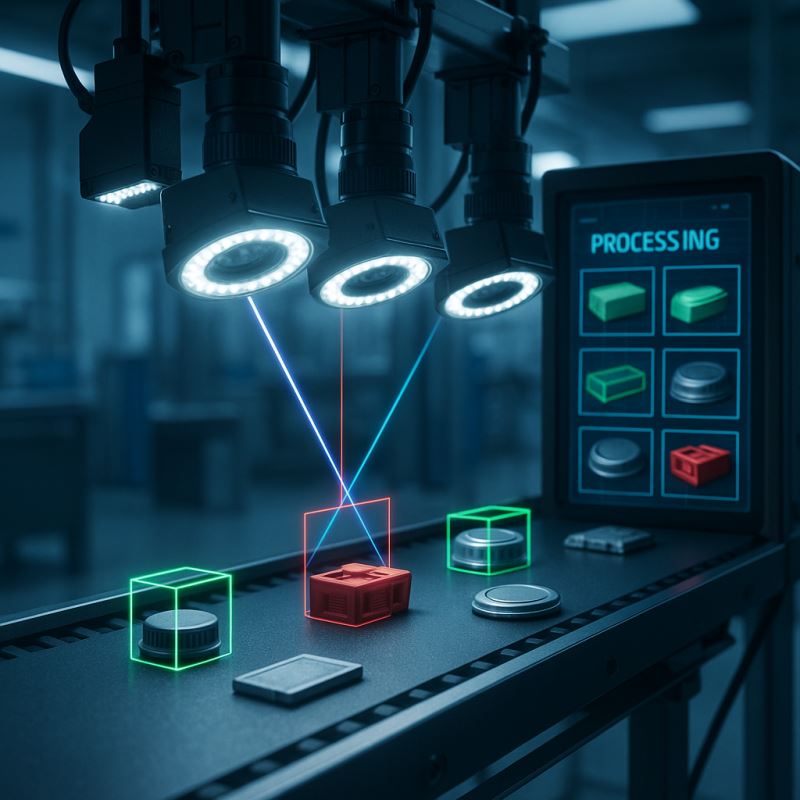
These systems combine industrial cameras, sensors, and AI algorithms to inspect and analyze product surfaces, labels, seals, dimensions, or printing quality in real time.
With machine learning, they learn to distinguish between normal variation and actual defects—making them far more powerful than traditional automation or human inspection.
 How They Improve Traceability & Quality
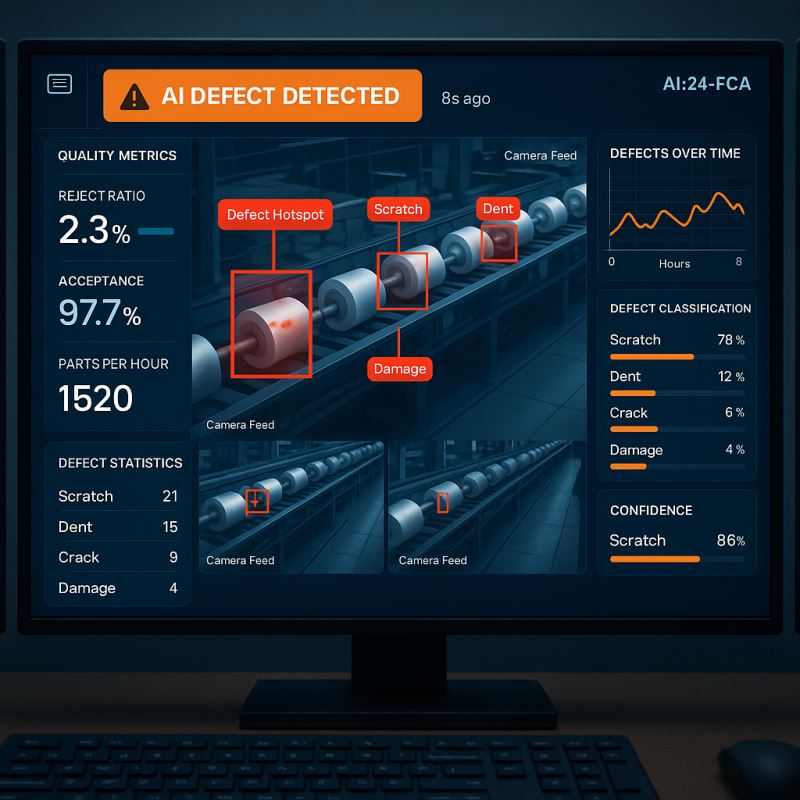
✅ Real-Time Defect Detection
Detect scratches, misprints, missing labels, smudges, deformations, or faulty seals instantly. Alerts are triggered in milliseconds, enabling immediate rejection or correction.
✅ Visual Data as Traceability Evidence
Every scanned product or package can be logged with images, timestamps, batch IDs, and anomaly reports—creating a visual audit trail for compliance and process improvement.
✅ Compliance Automation
Vision systems can be trained to check for regulatory labeling formats, expiry dates, data matrix codes, and packaging seals. This is crucial in pharma (FMD, DSCSA) and food industries (FSMA, HACCP).
✅ Error Reduction and Workforce Support
Unlike human inspectors who fatigue or miss subtle errors, AI systems operate 24/7 without drift, offering consistent accuracy.
 Real-World Applications
- Pharmaceutical packaging lines: Detecting missing or misaligned data matrix codes, torn leaflets, or seal integrity.
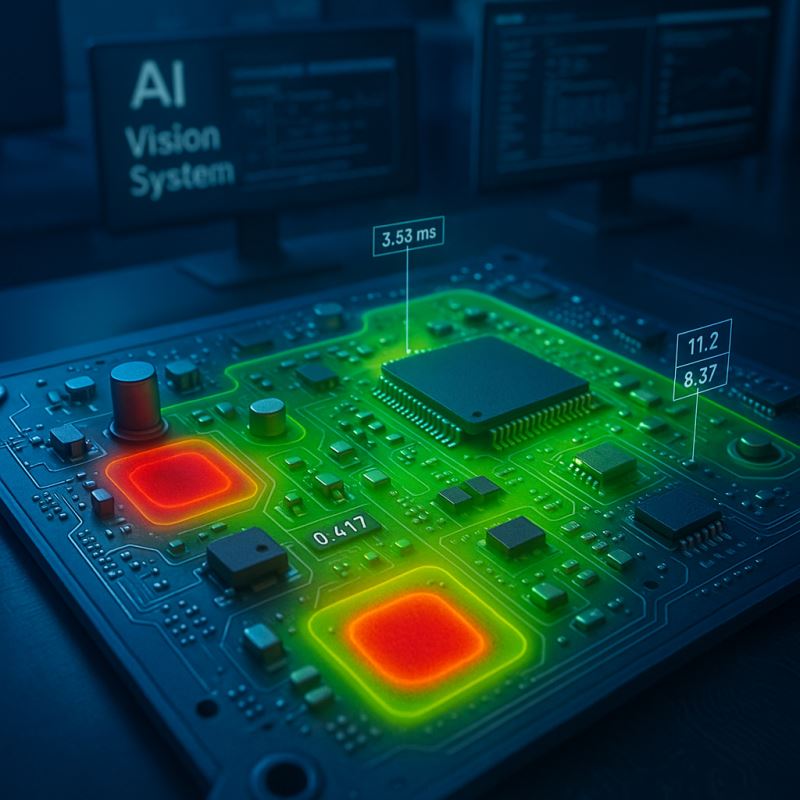
- Electronics manufacturing: Inspecting solder joints and printed circuits (PCBs) with micron-level precision.
- Food packaging: Identifying underfilled containers, label misalignment, and allergen misprints.
- Automotive assembly: Ensuring correct part orientation, placement, and torque markings.
 Strategic Takeaways
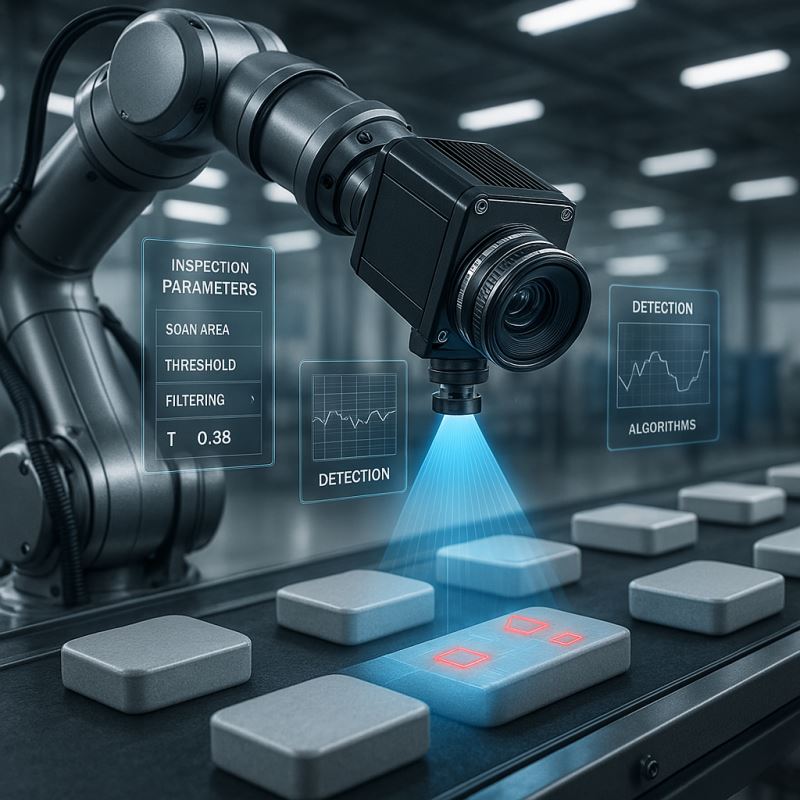
- Integrate early: Vision systems are most effective when integrated at multiple points across the production line.
- Link to traceability platforms: Pair visual data with batch IDs and serial numbers for a full traceability record.
- Train & fine-tune models: AI improves over time—use actual defect data to retrain and enhance your system’s accuracy.
- Think beyond defects: Use vision data to optimize processes, reduce waste, and design for manufacturability.
Conclusion
Vision systems powered by AI are redefining what it means to inspect, track, and perfect your products. They deliver not just defect detection, but a digital memory of quality at every production step.
In the world of smart factories, vision isn’t just an eye—it’s insight.