
Introduction
The fashion industry has a transparency problem. Behind every shirt, pair of jeans, or jacket lies a complex web of farms, factories, and freight. Without visibility, it becomes nearly impossible to ensure ethical sourcing, sustainable practices, or compliance.
Traceability is changing that. It empowers textile brands to show—not just say—where their products come from and how they were made.
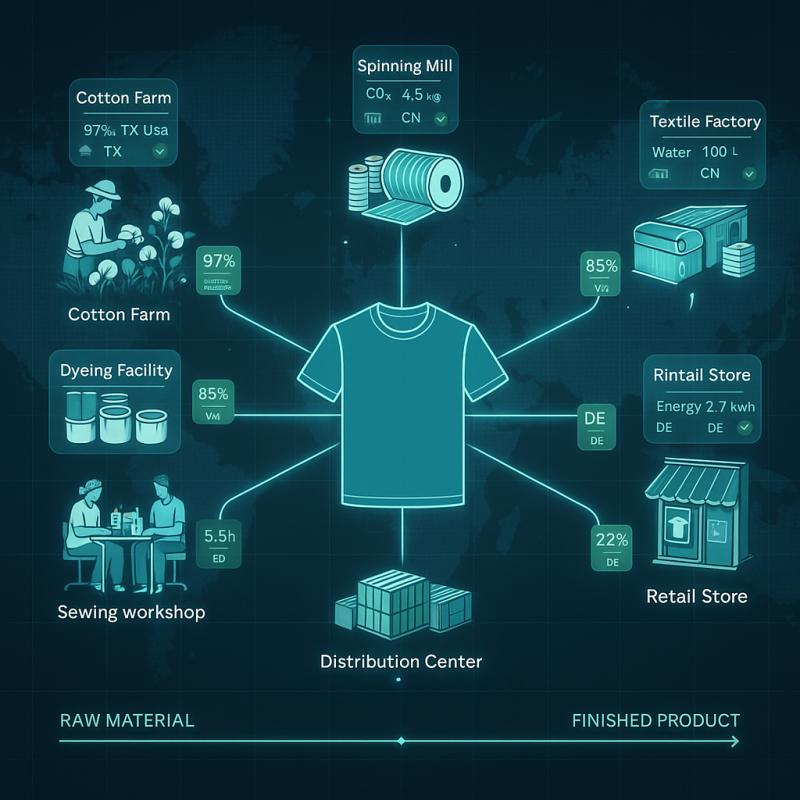
From Field to Fashion: Mapping the Textile Journey
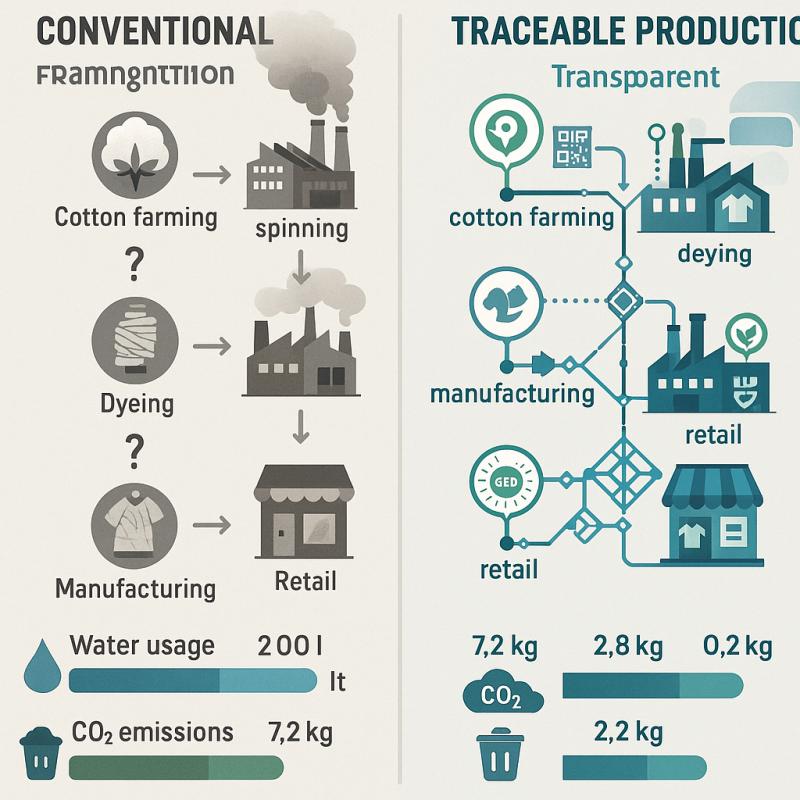
Traceability in textiles means tracking each stage of the garment lifecycle: – Raw material: Cotton, wool, or synthetic sourcing location – Spinning & weaving: Which mills processed the fibers? – Dyeing & finishing: What chemicals were used? – Stitching & assembly: Which factories made the product? – Packaging & distribution: Where did it travel before reaching retail?
Digitally mapping this journey creates a chain of custody that supports regulatory compliance, brand integrity, and sustainability claims.
 Key Benefits of Textile Traceability
✅ Fighting Greenwashing
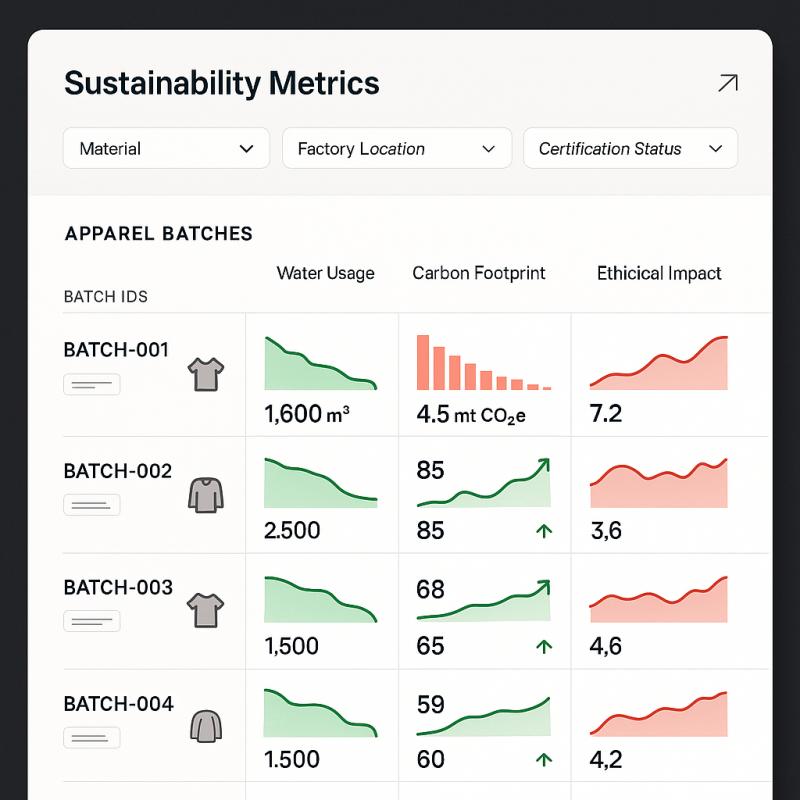
Consumers are skeptical of vague “eco-friendly” claims. Traceability enables brands to share verifiable data and digital product passports (DPP) that prove sustainability through actions, not words.
✅ Ethical Labor Assurance
Modern traceability tools highlight working conditions, certifications (e.g., GOTS, Fair Trade), and factory audits—supporting supply chain due diligence.
✅ ESG & Regulatory Compliance
Governments and investors now demand traceability. The EU Green Deal, DPP, and Corporate Sustainability Reporting Directive (CSRD) all push brands to measure and disclose supply chain impact.
✅ Brand Trust & Consumer Engagement
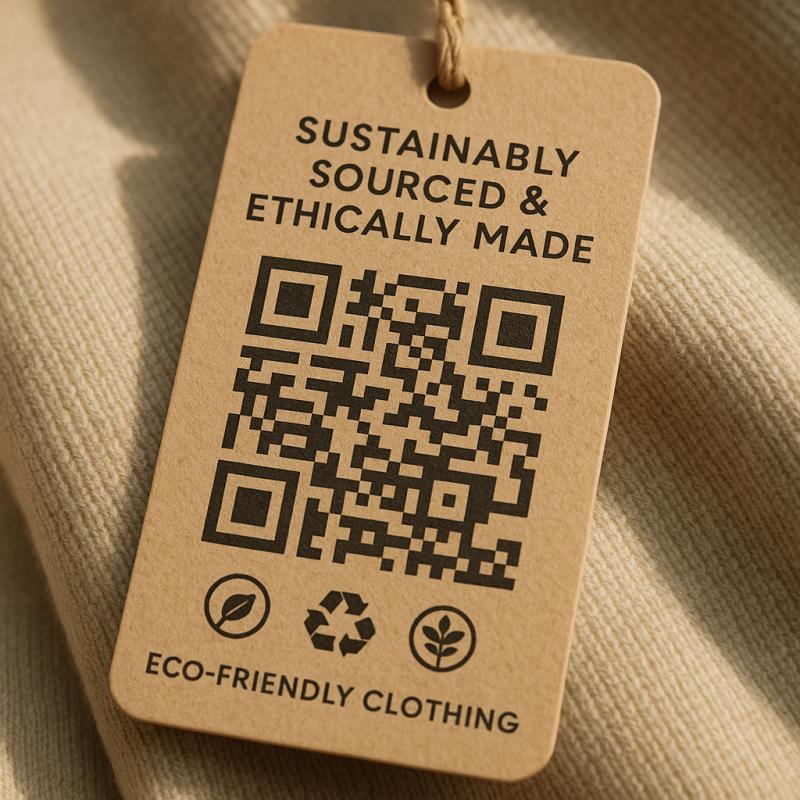
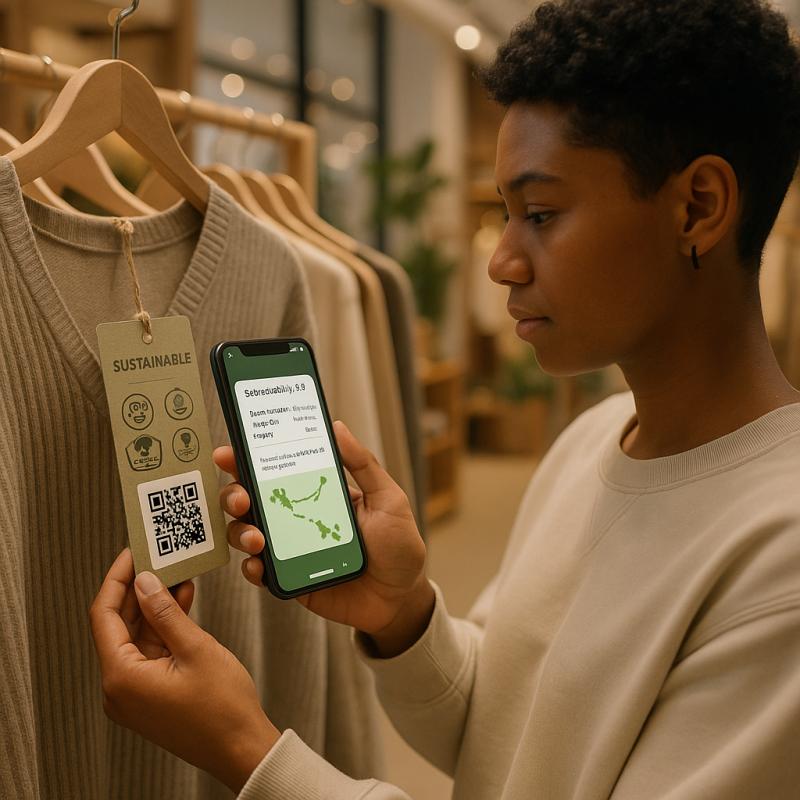
Scanning a QR code on a shirt and learning it was ethically sourced from an organic cotton farm builds powerful emotional resonance with conscious consumers.
Case Studies in Ethical Fashion
- Patagonia tracks raw materials and environmental impact, sharing sourcing data with consumers via tags.
- H&M Group uses blockchain to allow customers to trace garments back to suppliers.
- Eileen Fisher uses reverse logistics and QR codes to support take-back and resell programs.
 Strategic Takeaways
- Start with pilot collections: Trace a capsule line from farm to shelf, then scale.
- Leverage GS1 standards or blockchain to build DPP-ready traceability.
- Train suppliers on data capture, compliance, and sustainability alignment.
- Tell the story: Let your customers scan, learn, and emotionally connect with your supply chain.
Conclusion
Traceability in textiles isn’t just about proving sustainability. It’s about building a new kind of fashion ecosystem—one rooted in transparency, ethics, and informed consumer choice.
In the age of conscious fashion, the brands that win will be the ones that can show their full story, not just their style.