
Introduction
The beverage industry operates at the intersection of mass production and meticulous quality control. Whether it’s bottled water, fruit juice, or an energy drink, consumers expect purity, consistency, and authenticity—every time.
With rising concerns over counterfeit products, food safety incidents, and increasingly stringent regulations, beverage manufacturers are turning to traceability to safeguard their brands and supply chains.
The Quality Challenge in Beverages
Beverage products are highly vulnerable to tampering, counterfeiting, and contamination—especially when shipped internationally or stored for extended periods.
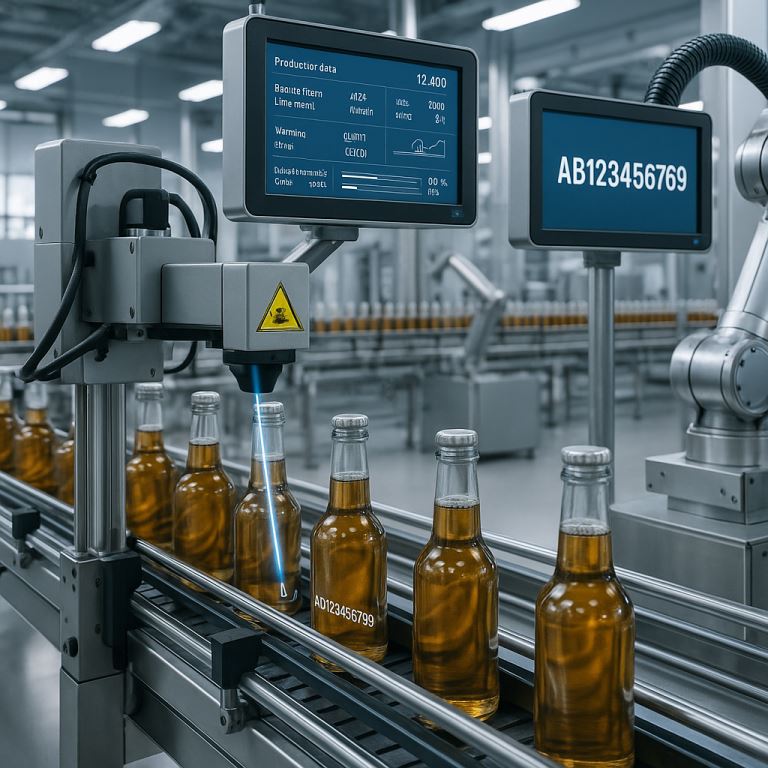
From ingredient sourcing to bottling, and from logistics to final shelf placement, every stage introduces risk. That’s why leading beverage brands are embedding traceability systems across their operations.
How Traceability Delivers Authenticity and Safety
End-to-End Ingredient and Process Tracking
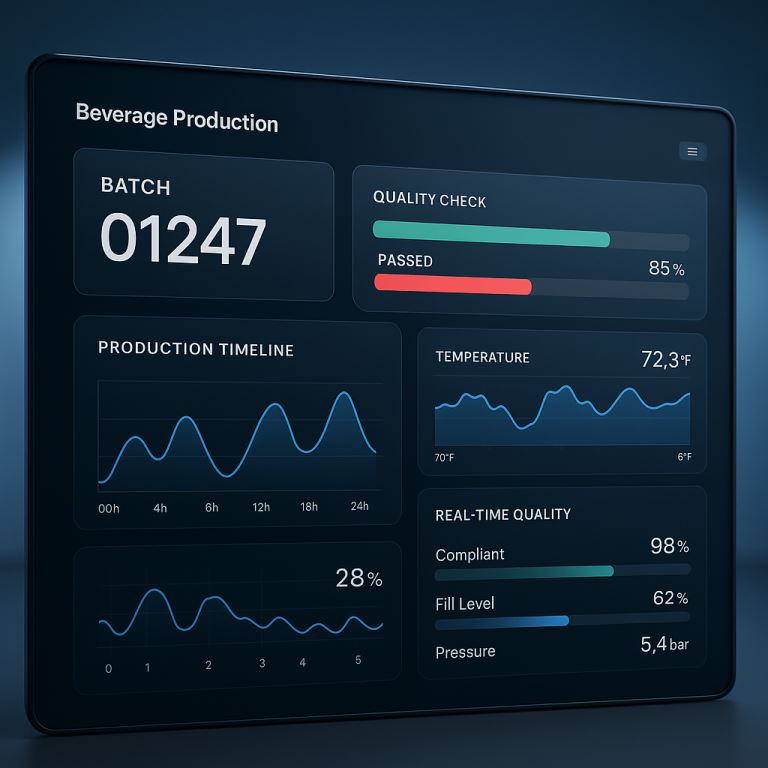
Traceability begins with knowing where every ingredient comes from—whether it’s spring water, flavoring agents, or preservatives. Modern ERP and IoT systems now track ingredient origins, processing steps, and batch histories, creating a comprehensive digital audit trail.
Serialization and QR Codes
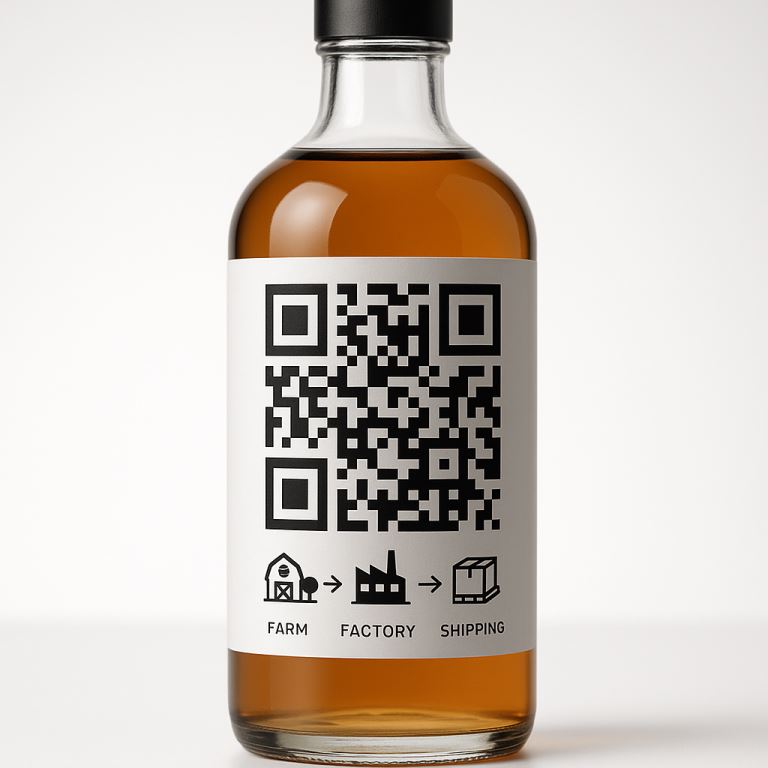
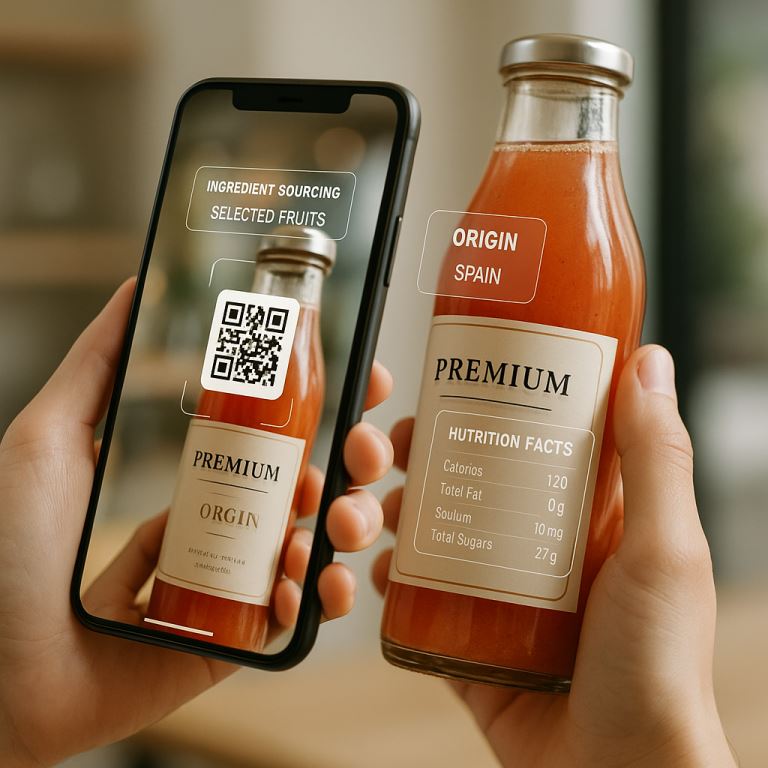
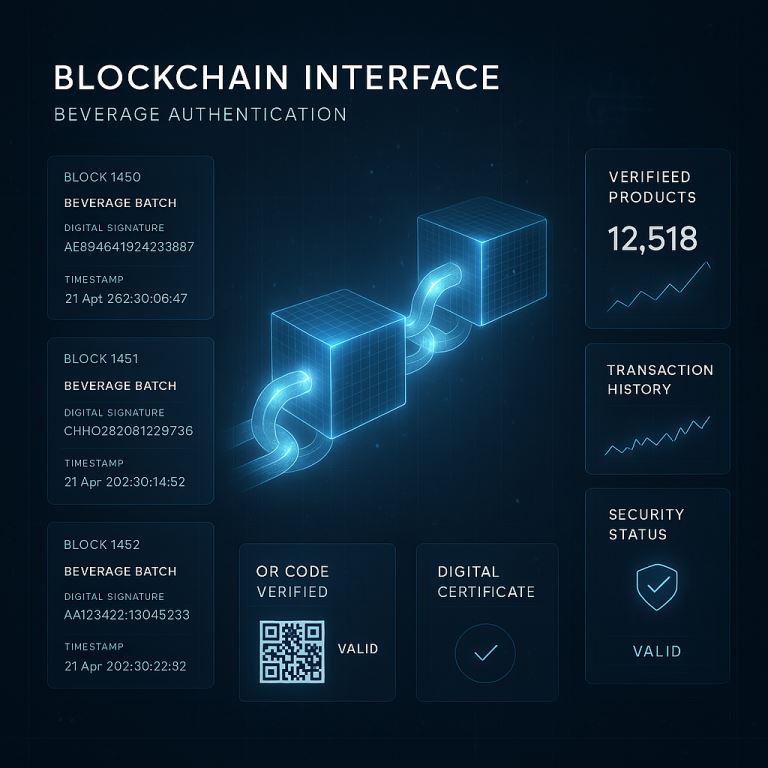
Serialization assigns each bottle or package a unique code, while QR codes allow consumers to verify origin, shelf life, and even the farm or facility where it was produced. This transparency builds unmatched brand trust.
Regulatory Compliance
From the FDA’s Food Safety Modernization Act (FSMA) to EU Regulation No 1169/2011, beverage companies must comply with a growing body of food safety and labeling laws. Traceability systems simplify audit prep, reporting, and global certification processes.
Anti-Counterfeit Measures
QR codes, blockchain records, and tamper-proof packaging prevent counterfeit beverages from entering the market. Traceability enables rapid detection and isolation of fake products, especially in global supply chains.
Case Studies from Leading Brands
Nestlé Waters implemented source-to-shelf traceability using QR codes and blockchain to offer consumers proof of purity and sustainability.
Coca-Cola uses traceability for quality management in over 200 bottling plants worldwide.
Rauch Juice in Europe has adopted real-time ingredient-level traceability linked to automated recalls and allergen tracking.
Strategic Takeaways for Beverage Brands
Build traceability into your packaging—QR codes are now brand touchpoints, not just barcodes.
Digitize your supply chain with ERP-integrated tracking of raw materials and packaging.
Align with global food safety standards to open international trade opportunities.
Use traceability data for marketing—let customers see your story and safety commitment.
Conclusion
In today’s beverage industry, traceability is more than a safety net—it’s a competitive edge. It empowers brands to tell their origin story, comply with evolving regulations, and win consumer trust in an era of hyper-transparency.