

Introduction
No two leaves are alike—and increasingly, no two products need to be either. Welcome to the world of digital fingerprinting: a breakthrough AI-powered method of identifying physical items based on their unique characteristics.
From micro-scratches on a tablet’s casing to random fiber patterns in a pill, digital fingerprinting turns natural or manufactured variance into an unforgeable product signature.
And when linked with traceability systems, it becomes a powerful tool for authenticity, compliance, and brand trust.
What is Digital Fingerprinting?
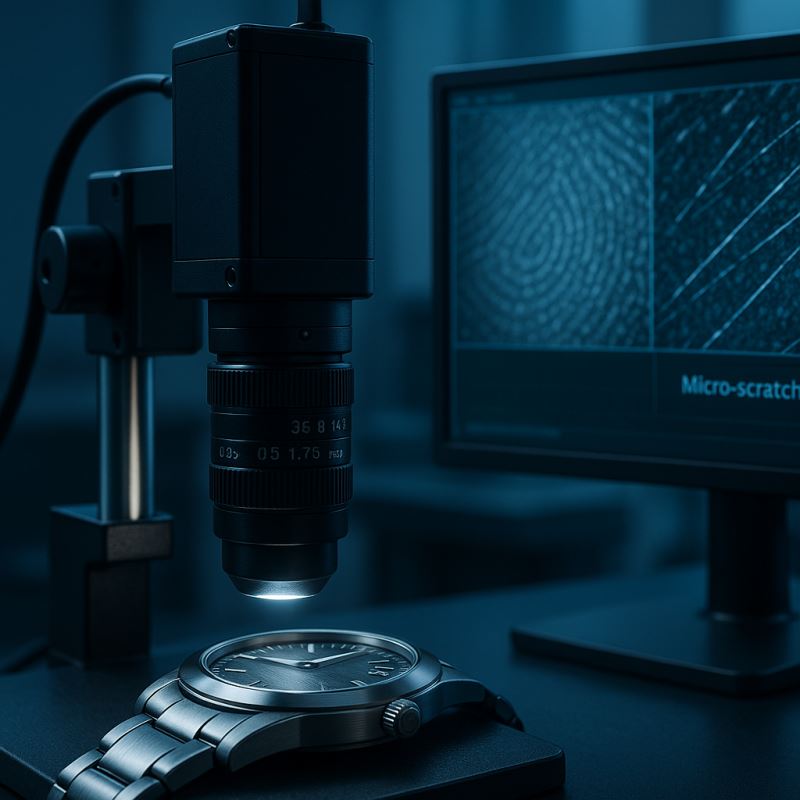
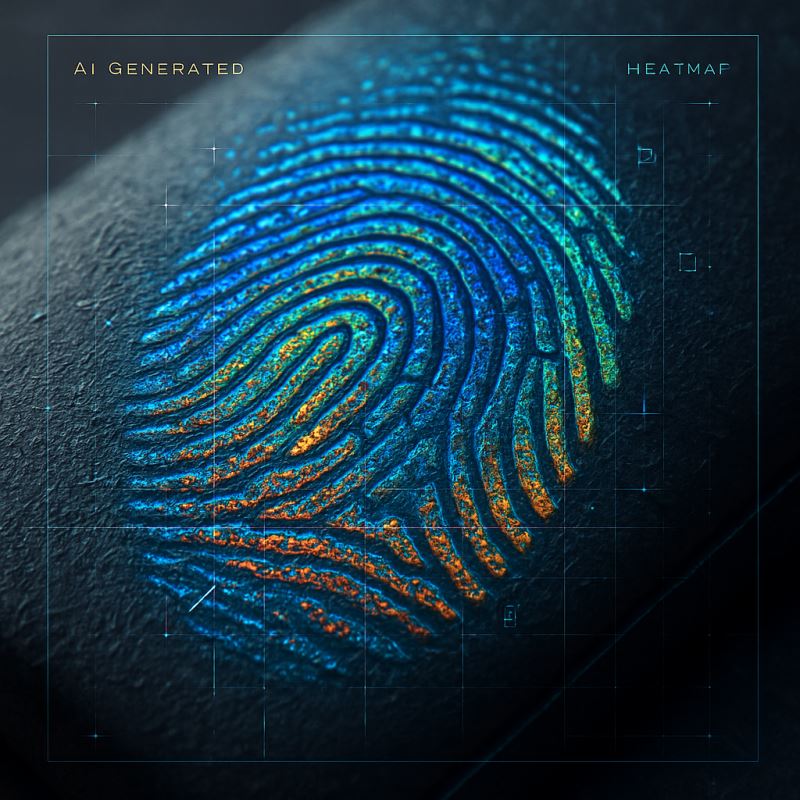
Unlike barcodes or serial numbers, which can be copied, digital fingerprints are derived from the physical characteristics of each product: – Surface texture – Material patterns – Micro-structural noise – Print or etching irregularities
These features are captured using high-resolution cameras and analyzed with AI algorithms to create a digital signature—just like a human fingerprint.
AI + Vision Systems = Unbreakable ID
- Computer vision systems capture high-resolution images of each product unit
- AI models analyze and extract unique, stable features
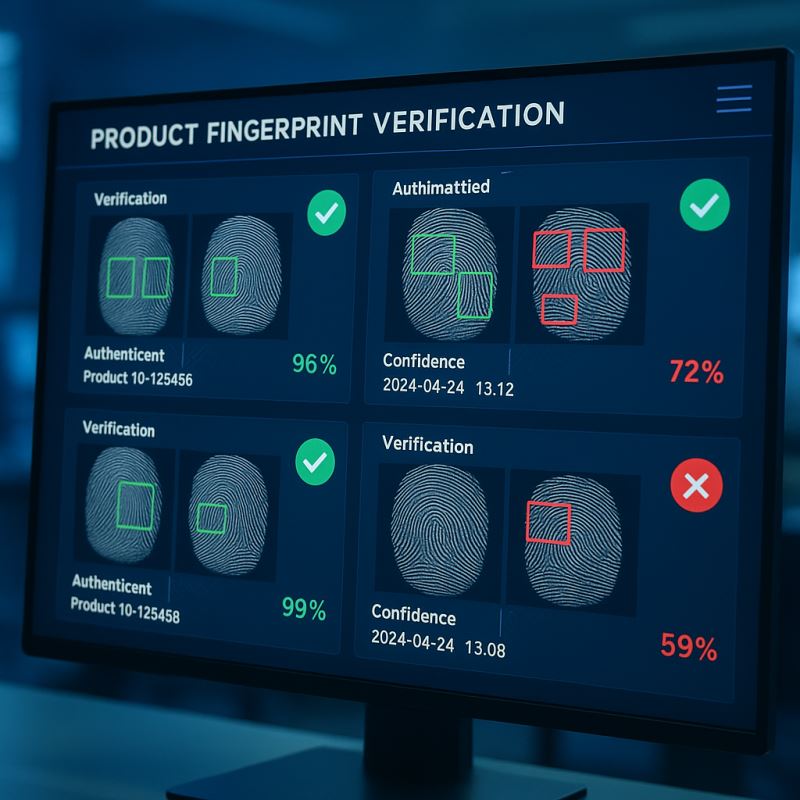
- Cloud platforms store and verify fingerprints during supply chain events or consumer scans
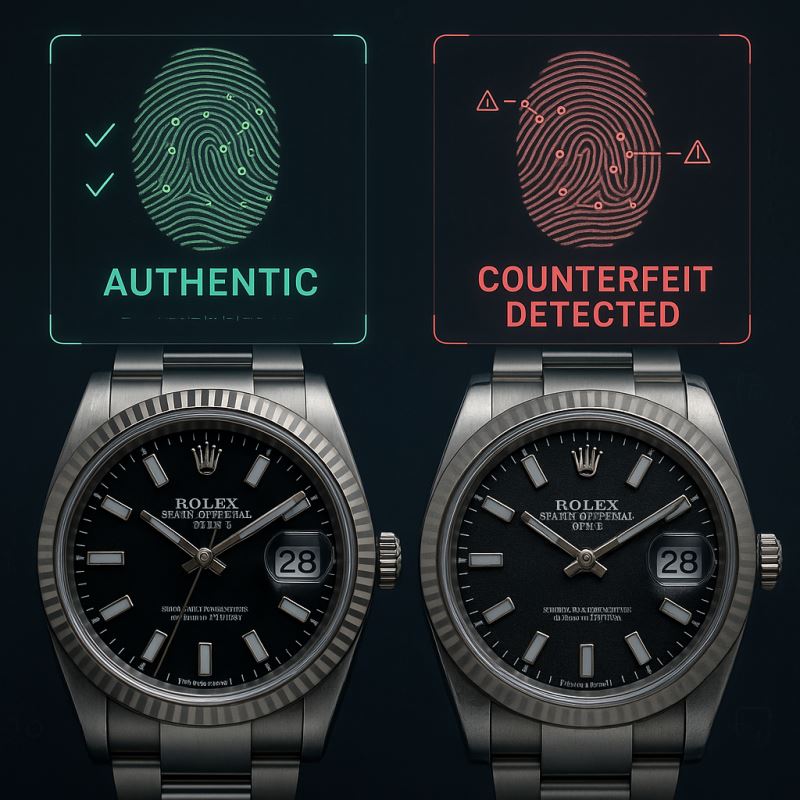
If a product is lost, tampered with, or copied, its digital fingerprint will not match—and alerts are triggered instantly.
 Use Cases: Where It Makes the Difference
✅ Anti-Counterfeiting
Ideal for luxury goods, pharmaceuticals, and electronics where fake products are rampant.
✅ Product Diversion Control
Ensure that your products reach only approved markets and distributors by linking digital fingerprints to geolocation or batch IDs.
✅ Post-Sale Verification
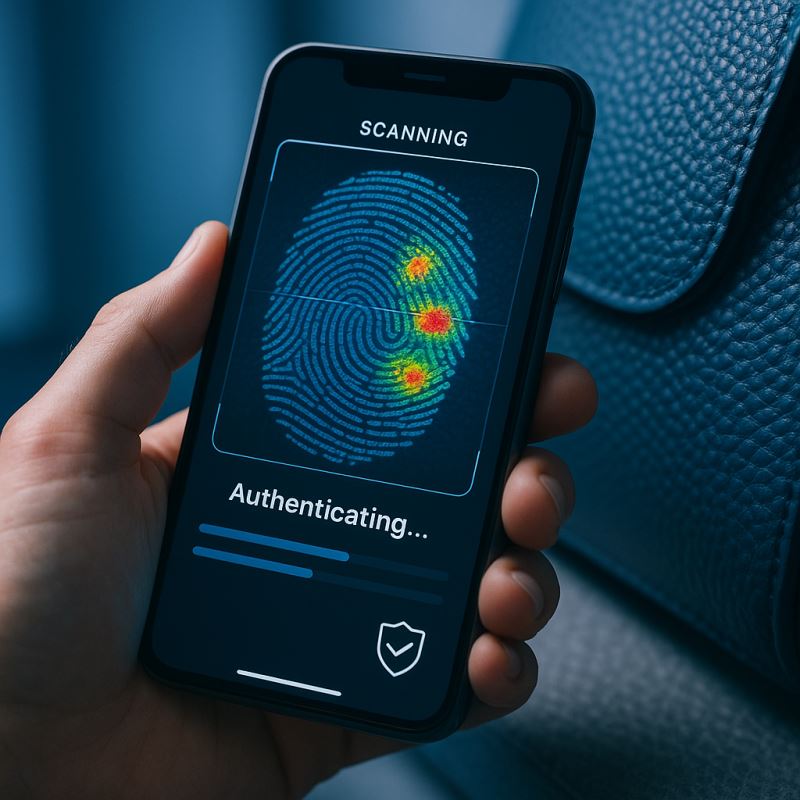
Allow consumers, pharmacists, or retailers to scan and verify authenticity using mobile apps.
✅ Intelligent Recalls
Target specific product units, not just batches, based on fingerprint-based tracking.
 Industry Examples
- Alitheon uses AI to assign a “FeaturePrint” to physical items like bolts, tools, and medical devices.
- Systech integrates fingerprinting with pharma serialization to stop counterfeit drugs.
- Luxury watchmakers are using digital fingerprints to verify authenticity on resale marketplaces.
 Strategic Takeaways
- Combine fingerprinting with serialization for layered authentication
- Start with high-value or high-risk product lines
- Train AI models on genuine samples to improve recognition accuracy
- Offer mobile verification to retailers and end-users
Conclusion
Digital fingerprinting offers product-level traceability without labels or codes. It’s invisible, secure, and nearly impossible to clone. As AI and camera systems become more accessible, this technology is set to redefine brand protection and traceability.
In a world of fakes, authenticity starts with a fingerprint.