
Introduction
Expanding to international markets is a dream for many manufacturers—but it’s one that now comes with a growing list of compliance requirements. At the heart of many of these? Traceability.
Whether you’re exporting food to the EU, pharmaceuticals to the US, or garments to the Gulf, your product’s digital trail can make or break your entry into new markets.
Traceability as a Passport to Global Trade
Modern trade is built on transparency. Governments and regulatory bodies demand verifiable information about: – Where your product came from – How it was made – How it was handled, stored, and shipped
Without a traceability system in place, you risk border rejections, recalls, or even bans.
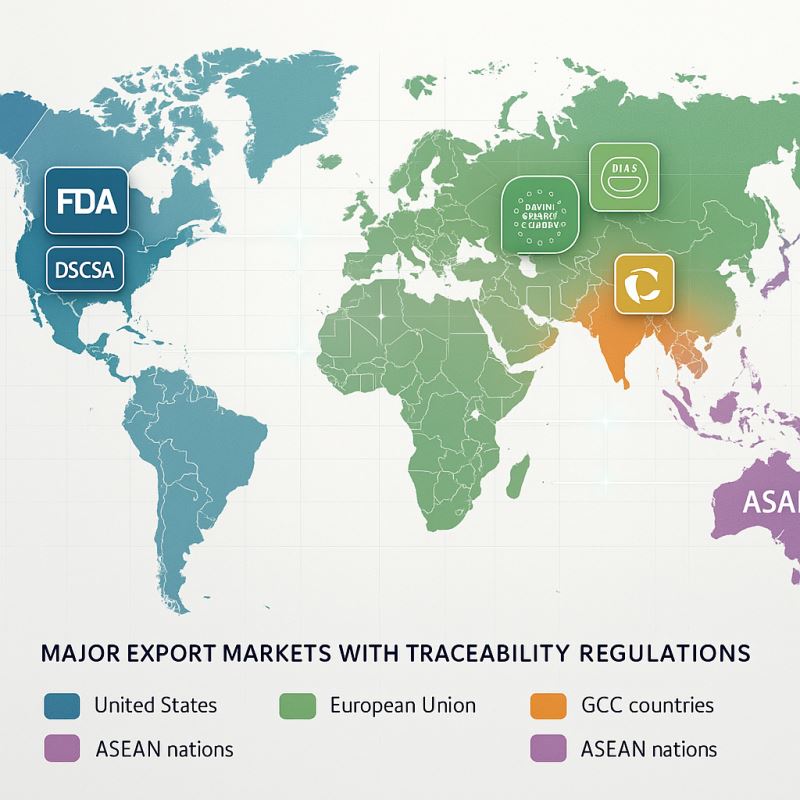
Key Regulatory Requirements by Region
✅ United States
– FDA FSMA (Food Safety Modernization Act): Requires end-to-end food traceability and response plans.
– DSCSA (Drug Supply Chain Security Act): Serialization and verification for pharma by 2024.
✅ European Union
– Digital Product Passport (DPP) under the EU Green Deal: Requires lifecycle and material traceability.
– FMD (Falsified Medicines Directive): Serialization of pharma units.
✅ GCC & ASEAN
– Increasing alignment with global food/pharma traceability standards.
– Saudi SFDA and UAE ESMA require barcode-based pharma traceability.
 Digital Documentation & Audit Readiness
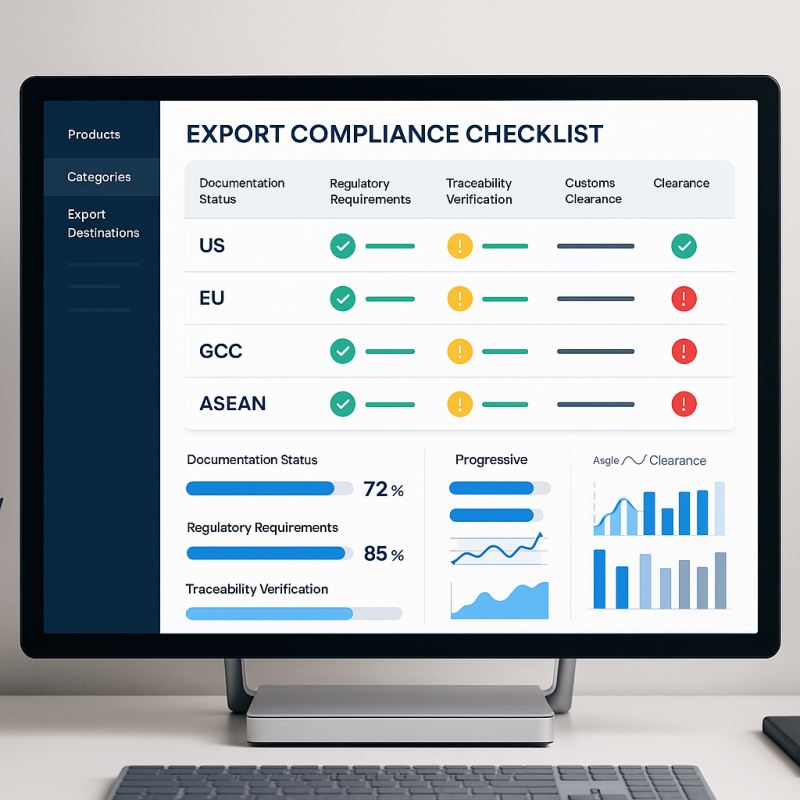
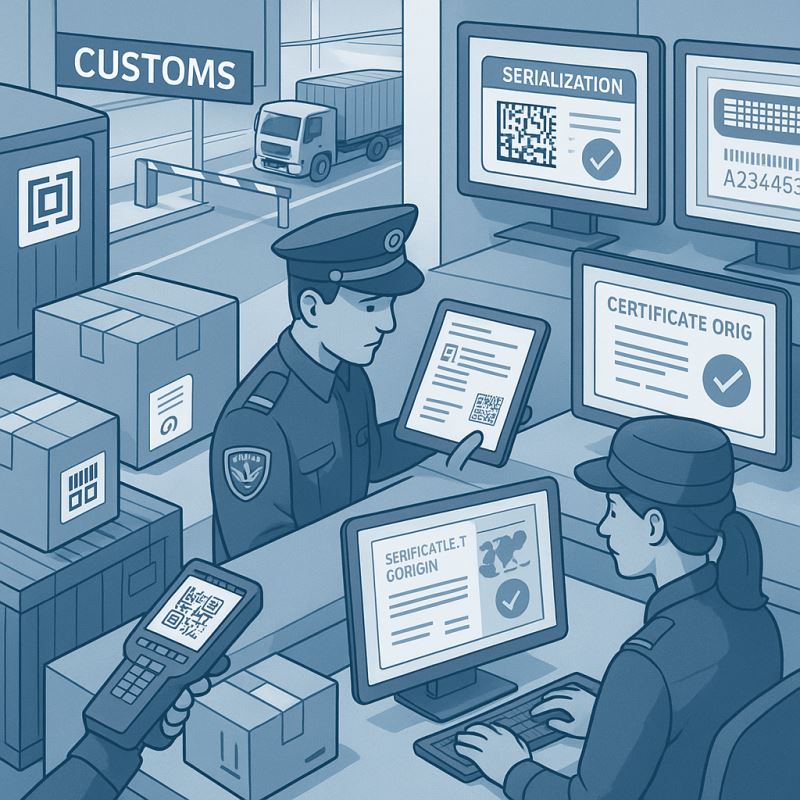
Traceability systems support: – Electronic Certificates of Origin (eCO)
– Batch-level recall readiness
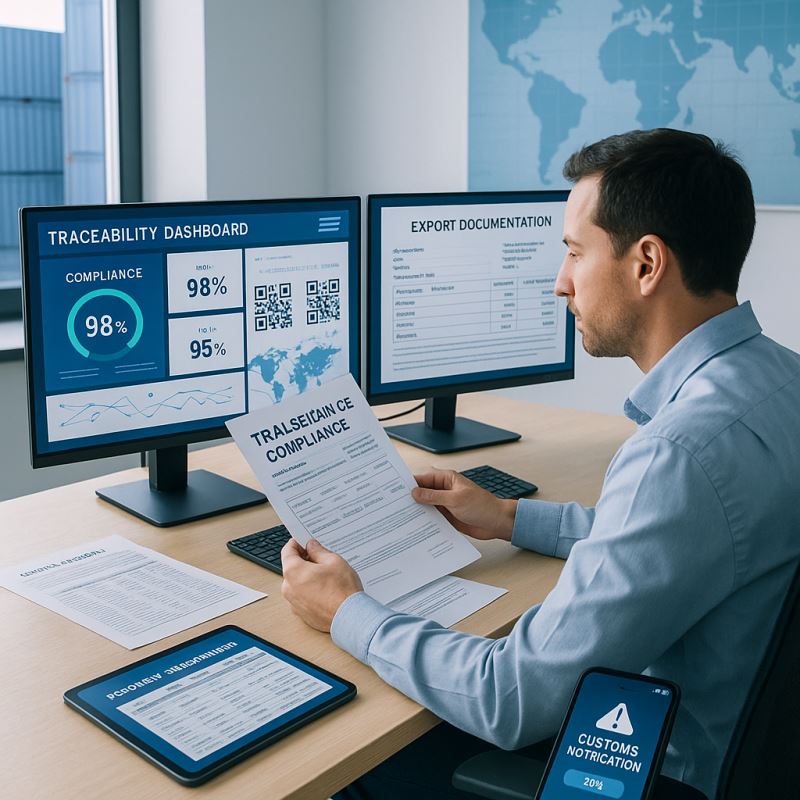
– Automated compliance reports for customs and port authorities
Being able to prove your compliance builds trust with trade partners and regulators.
 Real-World Examples
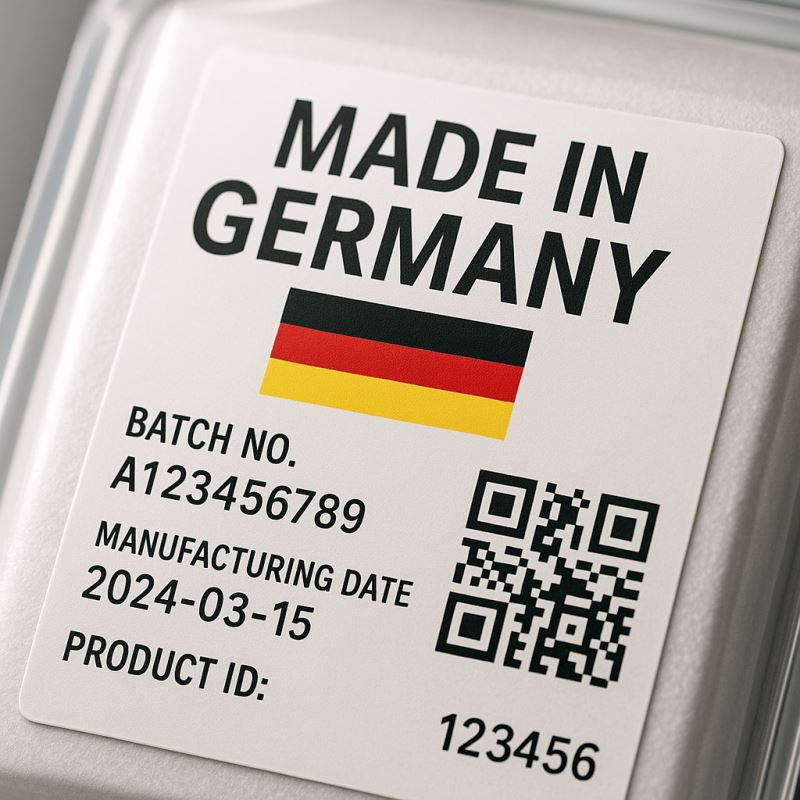
- A Pakistani spice exporter implemented QR-based traceability and gained entry into high-value GCC supermarket chains.
- A textile SME met EU sustainability and origin labeling rules using a lightweight DPP-compliant traceability platform.
- A pharma company used serialization + temperature logging to gain WHO pre-qualification and UN tender eligibility.
 Strategic Takeaways
- Research your destination market: Compliance starts with knowing the rules.
- Implement traceability by product category: Prioritize high-risk or highly regulated items.
- Digitize your documentation: Paper trails are out; QR codes and cloud portals are in.
- Use traceability as a sales enabler: Show buyers and distributors your commitment to quality and compliance.
Conclusion
Export growth doesn’t just depend on product quality—it depends on compliance confidence. With digital traceability, manufacturers can open new markets, pass regulatory checks, and build stronger, global-ready brands.
In today’s global economy, traceability isn’t a burden—it’s a business strategy.