
Introduction
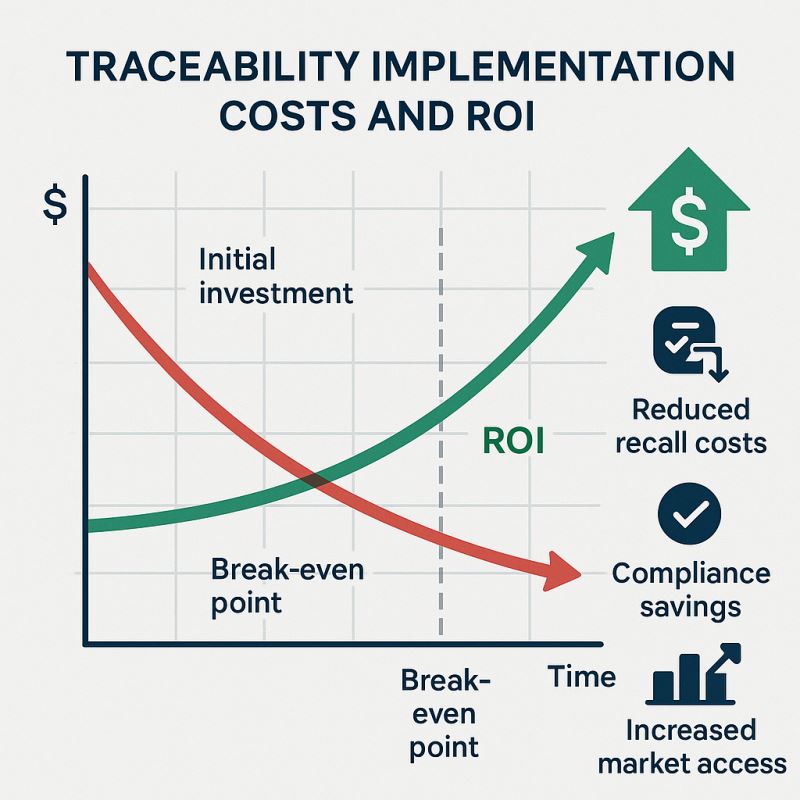
Let’s face it—traceability systems aren’t cheap. Scanners, software, compliance consultants… the upfront cost often makes leaders pause.
But here’s the real question:
Can your business afford not to have traceability?
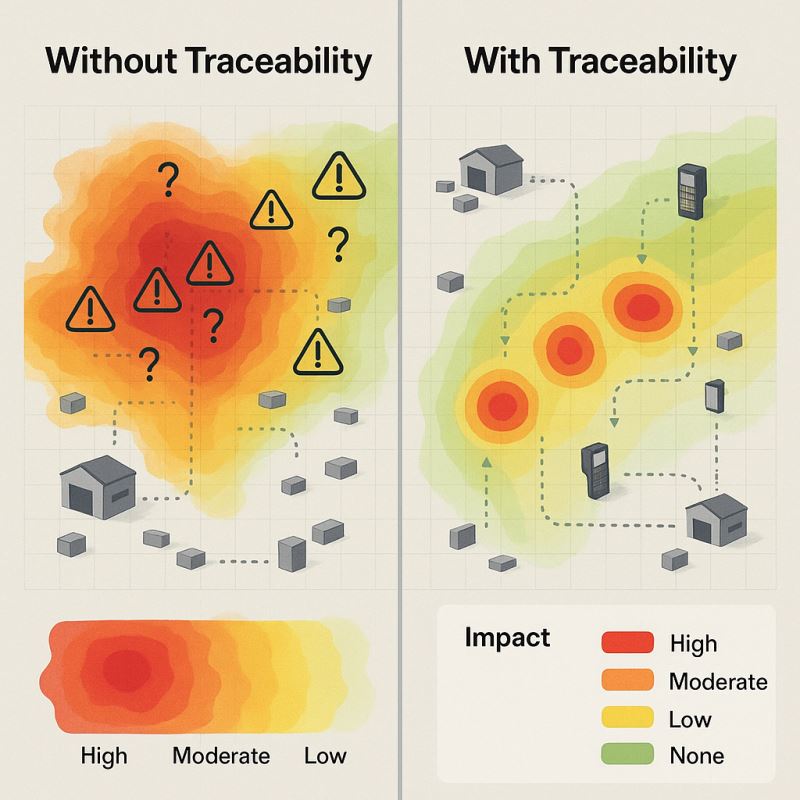
From recalls to counterfeit risk, from compliance fines to lost consumer trust—the true cost of not investing is often far greater.
Upfront Costs: What to Expect
Implementing traceability requires: – Hardware: scanners, sensors, printers, edge devices – Software: serialization tools, dashboards, cloud integrations – Training: team enablement, change management – IT Time: integration with ERP/MES/WMS systems
Yes, the initial spend is real.
But so are the long-term returns.
 What You Gain Over Time
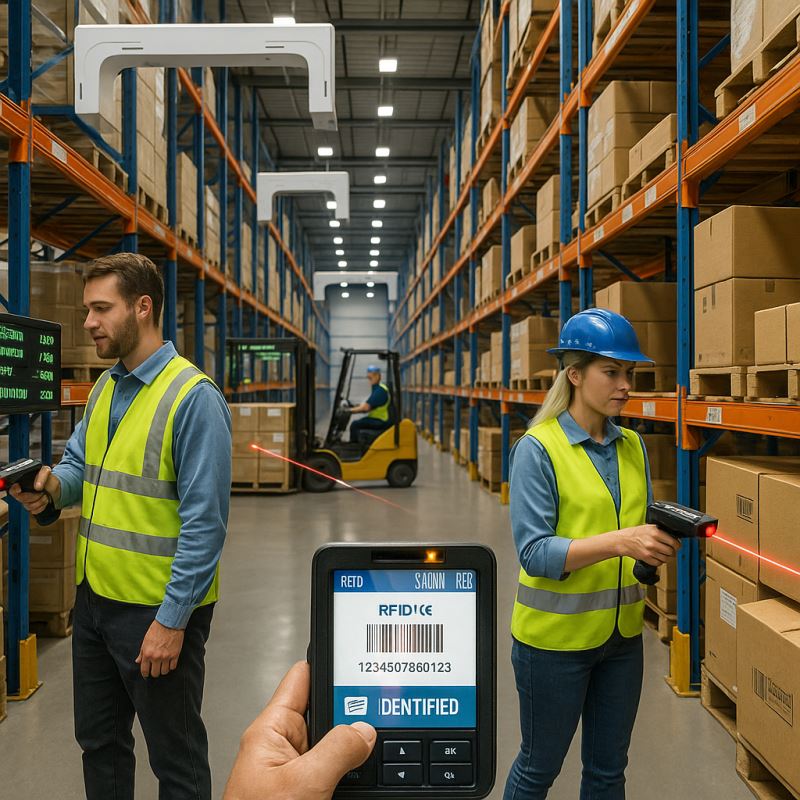
Once in place, traceability enables: – Faster recalls = Lower legal exposure – Fewer compliance fines = Regulatory confidence – Less product waste = Sustainability savings – Higher operational efficiency = Automation, less manual tracking – Premium pricing = Trusted products earn more
 Metrics That Matter
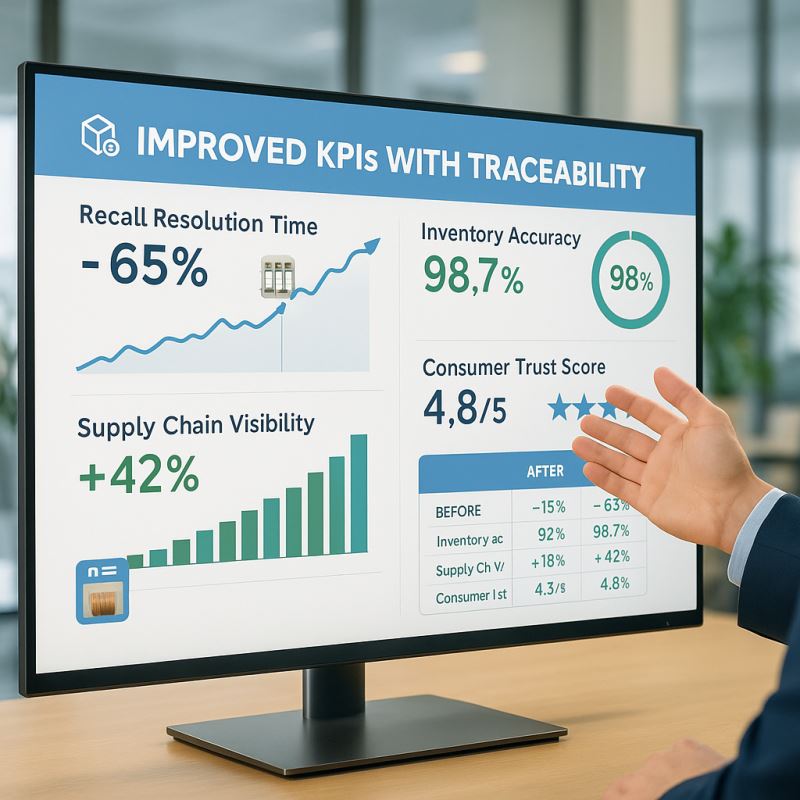
Traceability ROI can be measured in: – Recall resolution speed – Compliance audit pass rates – Inventory shrinkage reduction – Operational downtime improvements – Increased consumer trust scores
It’s not just about cost—it’s about resilience.
Case Examples
- A pharma company reduced recall costs by 65% with serialization.
- A food brand improved supply chain visibility and gained entry into EU markets.
- A textiles exporter used traceability to charge premium rates for eco-compliant products.
 ROI Beyond Money
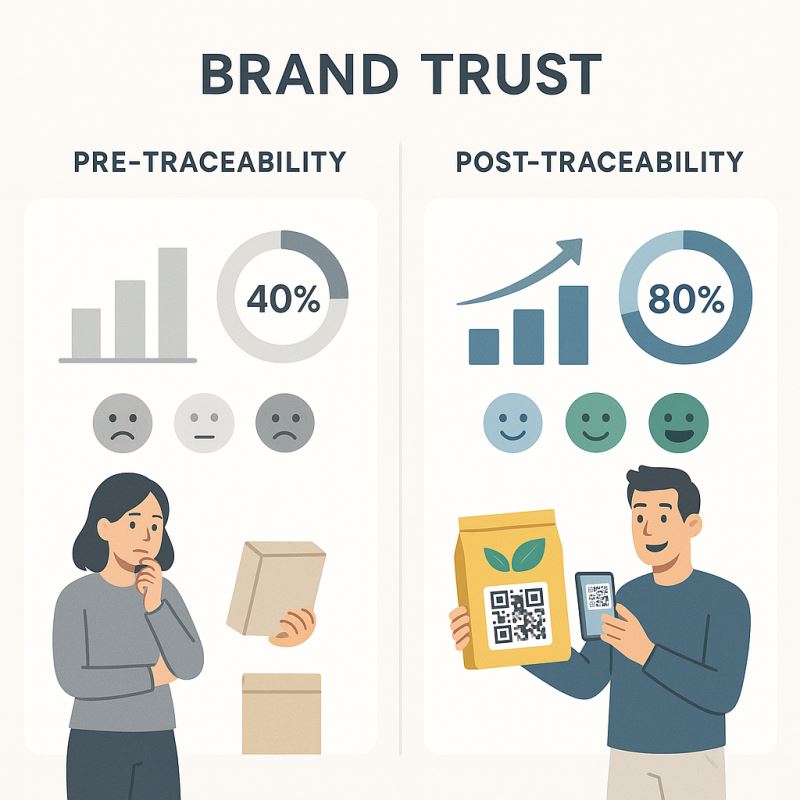
Traceability isn’t just about numbers—it builds: – Brand value – Market access – Consumer loyalty – Crisis readiness
Conclusion
The ROI of traceability isn’t theoretical—it’s measurable, defensible, and increasingly expected by regulators and consumers alike.
It’s not just a cost—it’s a growth engine.
Investing in traceability today is how future-ready businesses lead tomorrow.