
Introduction
In today’s hyper-aware marketplace, consumers no longer just buy products—they buy stories, origins, and values.
And labels? They’re no longer just for logos and barcodes—they’re the front lines of consumer trust.
Transparent labeling, powered by traceability, is giving rise to a new era of accountable, informative, and value-aligned brands.
Why Label Transparency Matters
Modern consumers care about: – Where their food was grown – How their clothes were made – What’s in their supplements or cosmetics
Traceable labeling systems provide a real-time window into a product’s lifecycle, ingredients, certifications, and sustainability efforts.
From Static Labels to Smart Labels
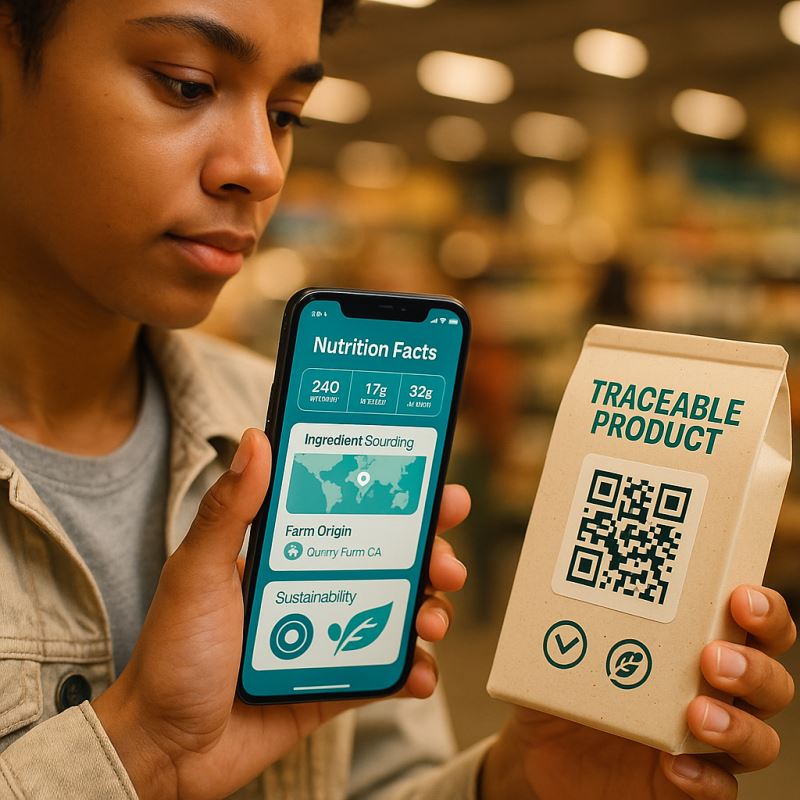
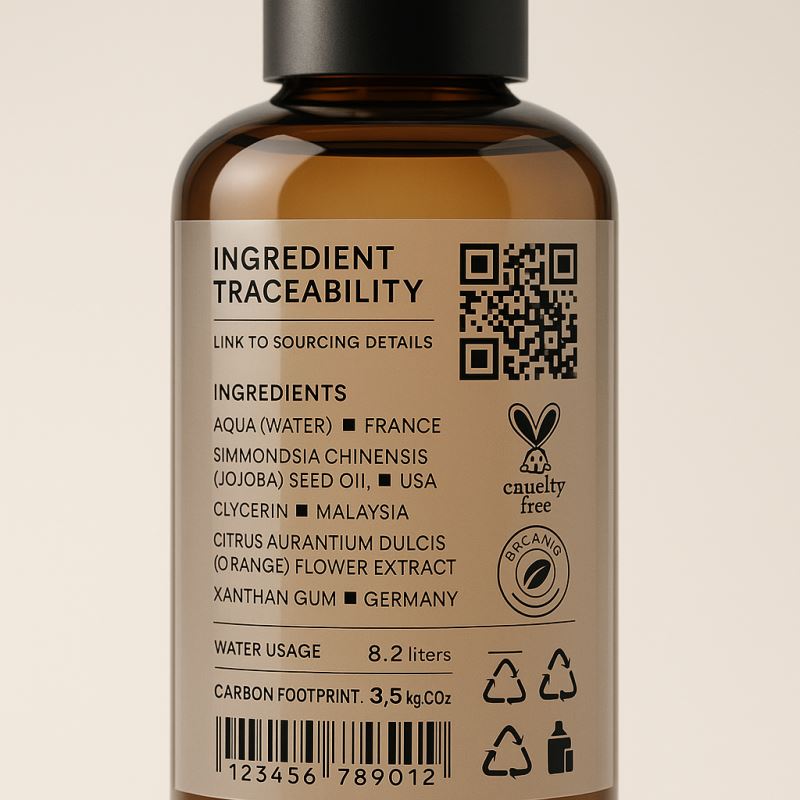
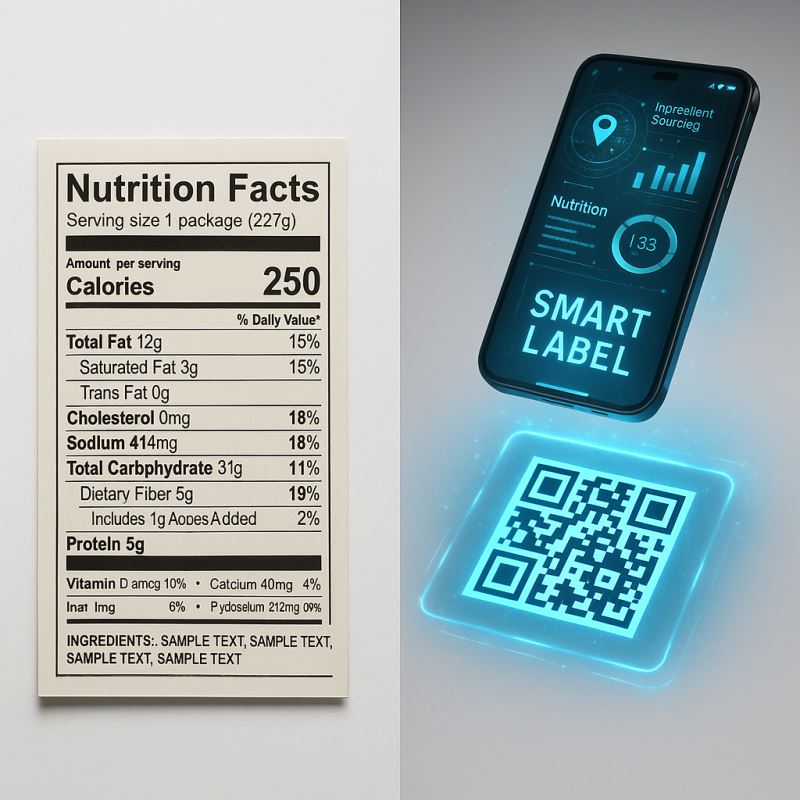
Traceability empowers labels to evolve: – QR codes link to digital product passports or sourcing maps – Smart packaging offers batch-specific data (e.g., allergens, harvest date, etc.) – Localized compliance: Different consumers can access different information based on region
Trust and Branding Go Hand in Hand
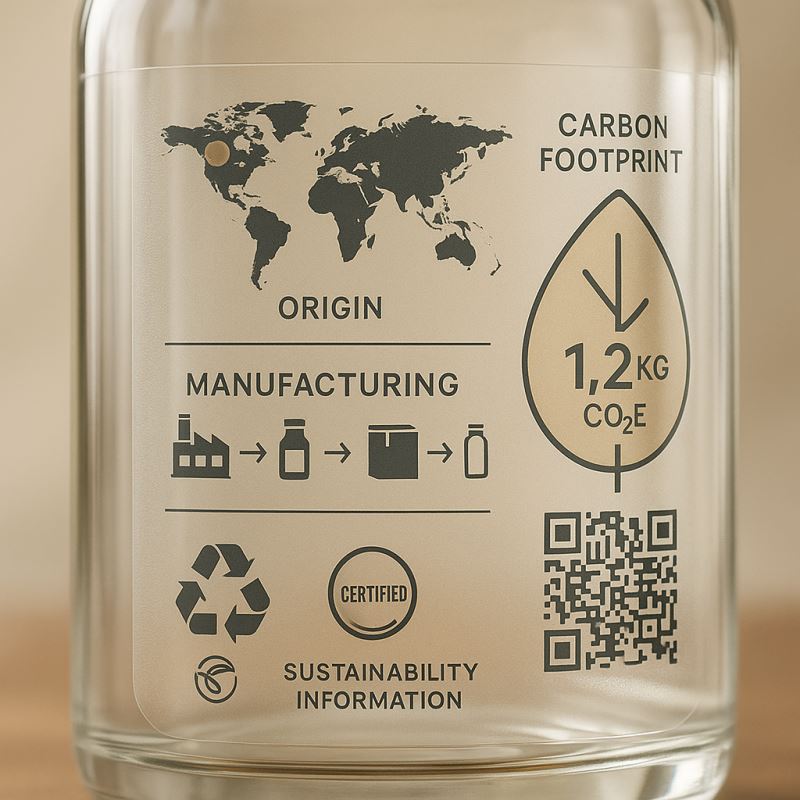
Transparent labels help build: – Consumer confidence: Nothing to hide = something to trust – Brand integrity: Aligns marketing with actual supply chain practices – Recall readiness: Traceability ensures accurate and fast information flow
Regulations Driving Transparency
Regulatory bodies like: – EU FIC (Food Information to Consumers) – FDA (U.S. Food Labeling Guidelines)
…are increasingly pushing brands to embrace label accuracy, allergen clarity, and ingredient traceability.
 Business Benefits
- Deeper consumer loyalty and advocacy
- Access to premium/export markets
- Enhanced brand reputation
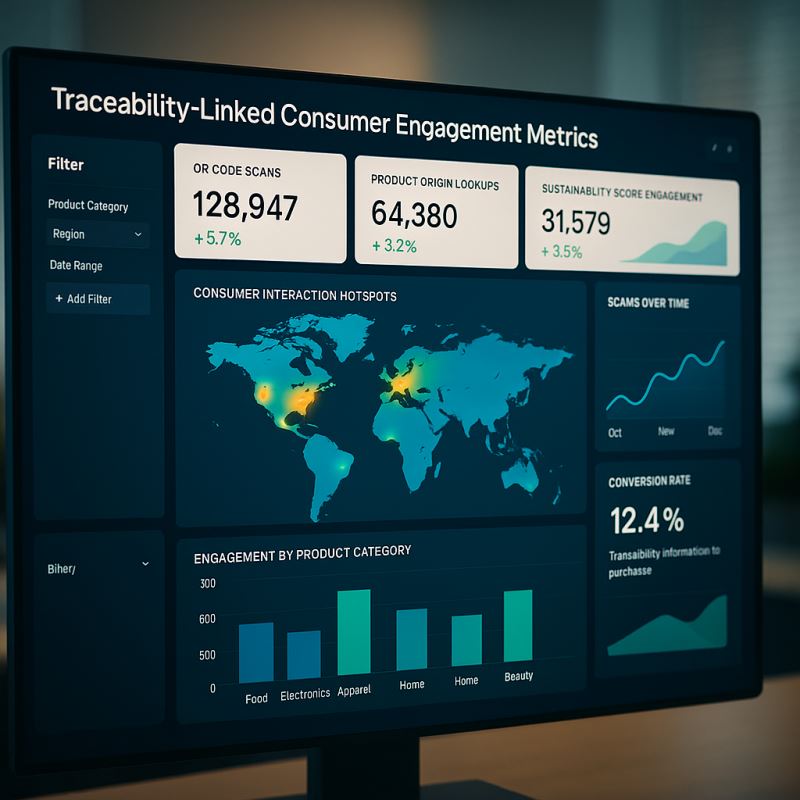
- Data-driven insights into consumer engagement
Traceability isn’t just compliance—it’s a competitive edge.
Conclusion
Transparent labeling isn’t a marketing gimmick—it’s a new trust currency.
With traceability tech like QR codes and digital product passports, brands can turn every package into a conversation—an opportunity to prove they walk the talk.
In the age of transparency, labels are where brands win or lose trust.