
Introduction
Imagine a supply chain where no one can fake a record, alter a shipment’s data, or delete a transaction. That’s the promise of blockchain-powered traceability—a secure, transparent, and tamper-proof way to track every move in your supply chain.
Why Blockchain?
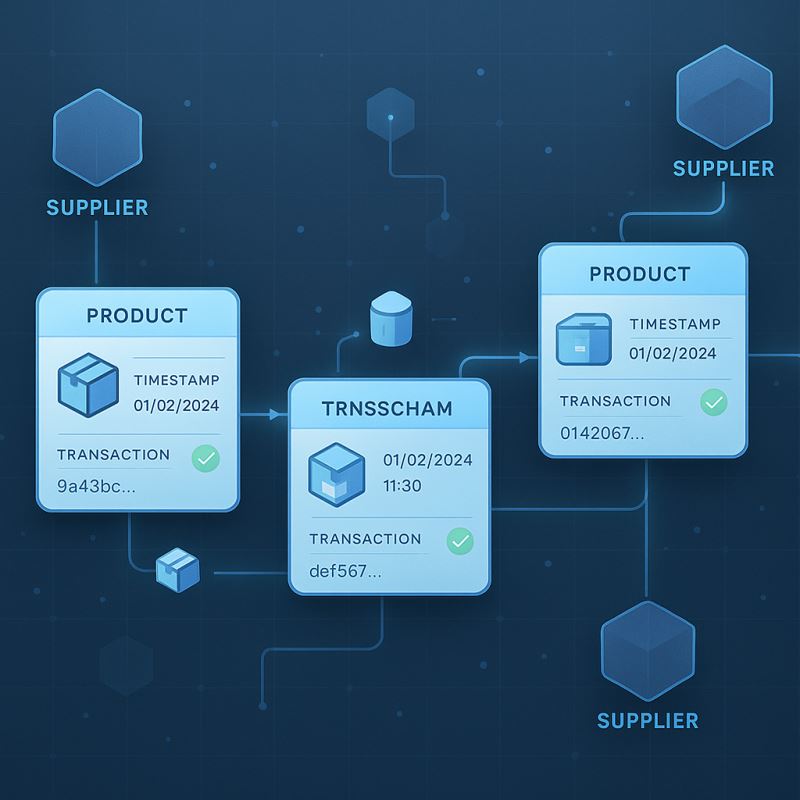
Traditional traceability systems are vulnerable to data manipulation, lost records, and siloed databases. Blockchain replaces this with immutable ledgers, visible to all stakeholders in real time.
Key Benefits of Blockchain in Traceability
Tamper-Proof Records
Once data is logged to the blockchain, it can’t be altered. This ensures complete transparency and accountability—crucial in industries like pharma and food.
Authentication and Fraud Prevention
Luxury brands and electronics companies use blockchain to prove product origin and prevent counterfeiting.
IoT Integration for Real-Time Updates
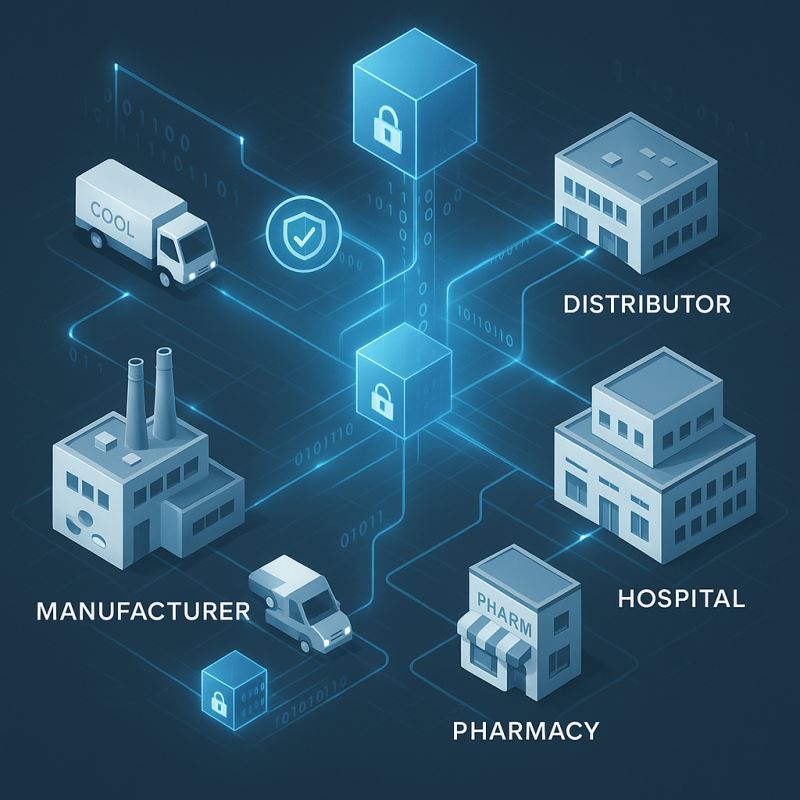
IoT sensors can feed data directly into a blockchain ledger—like temperature readings during vaccine transport—creating live, trusted supply chain records.
Decentralized Access
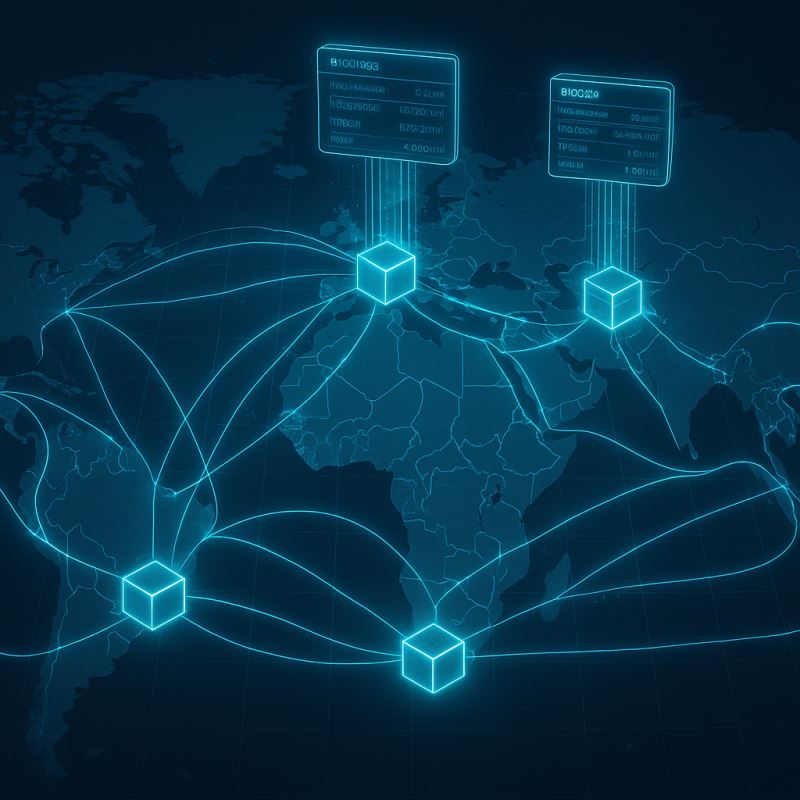
Suppliers, manufacturers, and regulators can all access the same data—no more lost time or trust.
Use Cases and Examples
- Pfizer uses blockchain to ensure the cold chain integrity of COVID-19 vaccines.
- De Beers tracks diamond origins using blockchain to verify ethical sourcing.
- Walmart implemented blockchain for leafy green traceability—cutting recall time from 7 days to 2.2 seconds.
Strategic Takeaways
- Start small: pilot blockchain in one high-risk product line.
- Combine with IoT for maximum real-time visibility.
- Use blockchain to meet audit demands and win consumer trust.
- Evaluate private vs public chains based on security and scalability needs.
Conclusion
Blockchain isn’t hype—it’s a strategic enabler of the future supply chain. For industries where trust is everything, traceability through blockchain offers radical transparency that’s here to stay.