
Introduction
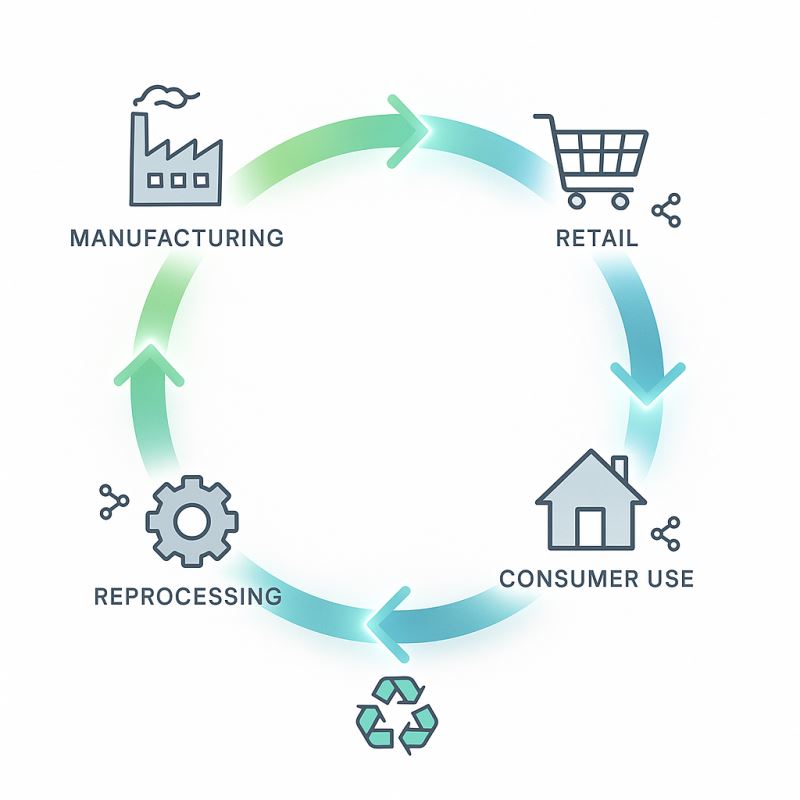
In a world facing mounting environmental pressure, the linear “make–use–dispose” model is no longer sustainable. Enter the circular economy—a model where products and materials are reused, remanufactured, and recycled. But how can companies make it work at scale? The answer lies in traceability.
From Linear to Circular: The Shift is On
Circular supply chains rely on visibility. Without knowing where a product comes from, what it contains, and how it’s used, recovery and reuse are impossible.
Traceability enables this visibility—tracking a product through its entire lifecycle and ensuring that data travels with the product even after it leaves the factory.
 How Traceability Powers Circularity
Lifecycle Tracking
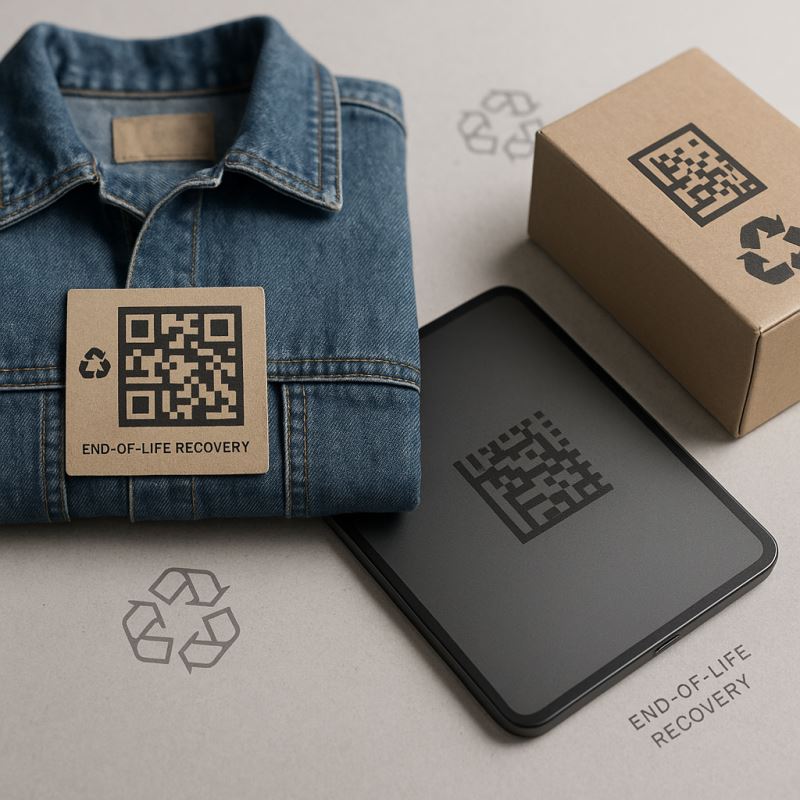
With embedded QR codes and serial numbers, brands can track product use and location, enabling returns, repairs, and remanufacturing.
Smart Sorting for Recycling
Traceability allows waste management systems to identify materials accurately, improving sorting efficiency and recycling rates.
Digital Product Passports
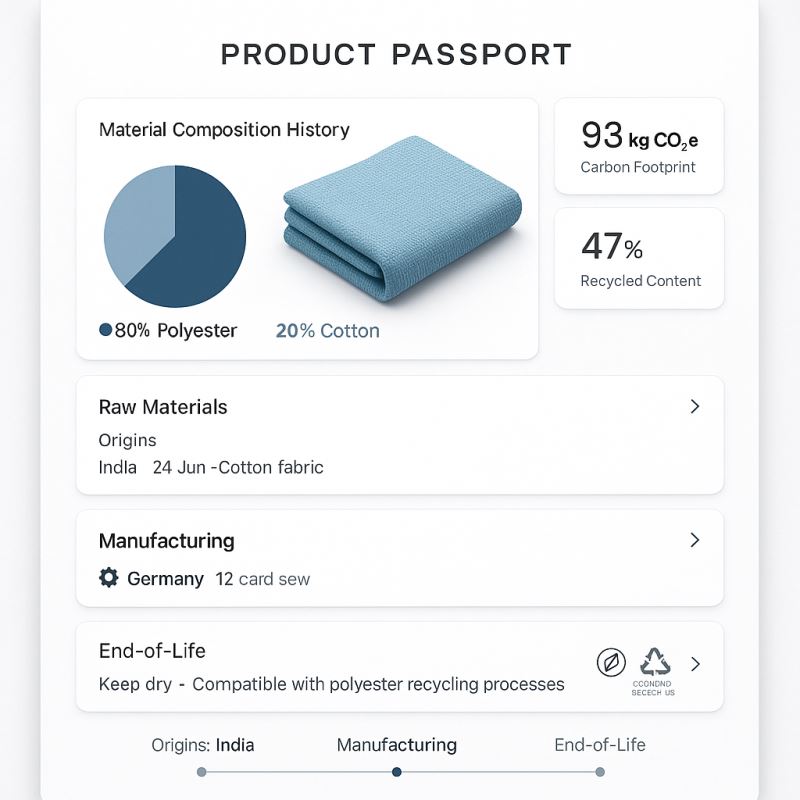
These are emerging as central tools for circularity—digital documents tied to physical products, storing data on materials, manufacturing, and sustainability metrics.
Regulatory Compliance
The EU Green Deal, Right to Repair, and US Plastics Pact are just the beginning. Traceability makes compliance seamless by automating documentation.
Case Studies: Circular Economy in Action
- Philips tracks the use and return of medical devices for refurbishment and reuse.
- Patagonia uses QR-based repair histories to extend the life of garments.
- HP integrates plastic recycling and material tracking in printer cartridges via serialization.
Strategic Takeaways for Businesses
- Embrace Digital Product Passports early to future-proof compliance.
- Use traceability data to reduce waste and improve ESG reporting.
- Make circularity part of your brand value—let customers trace your sustainability story.
Conclusion
Traceability is the infrastructure for a circular future. It enables smarter production, greener business models, and greater consumer trust. In the race to sustainability, those who trace—win.